Sinner Mix - Kiss Music Box
- 4.2
- Rating
- 1.00M
- Installs
- Free
- Price

 Analysis by App-foxy
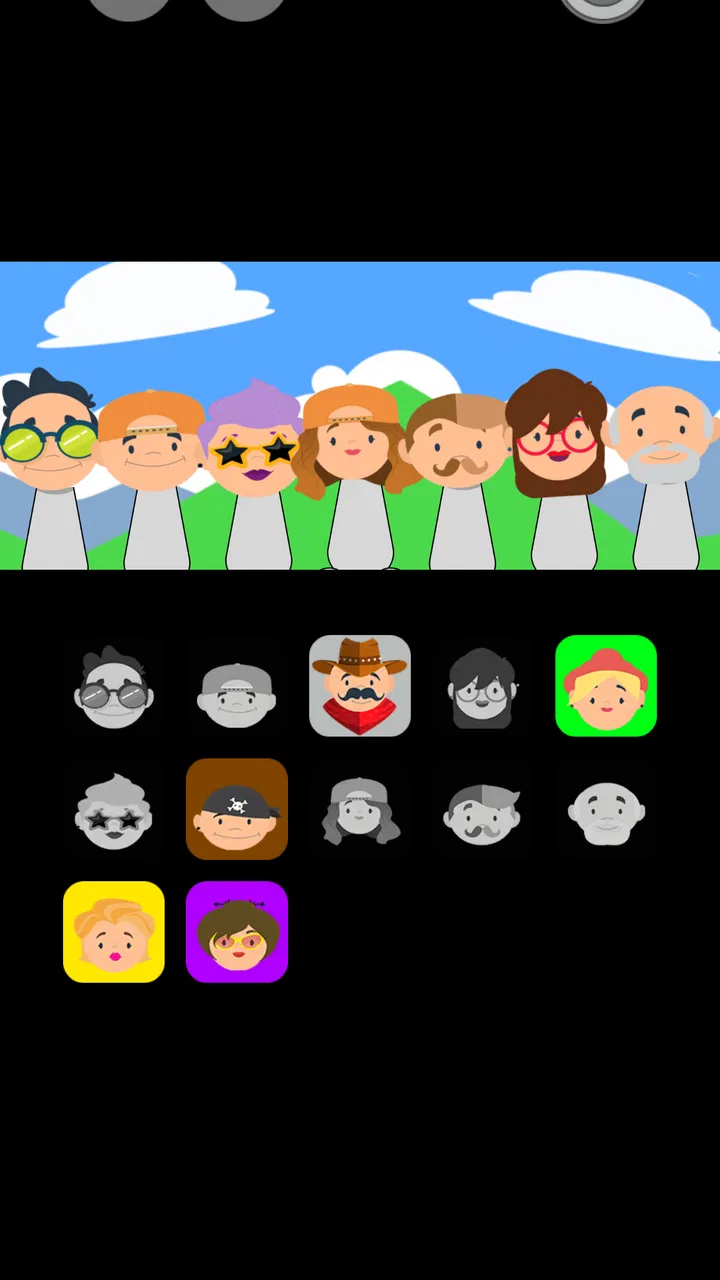
Sinner Mix - Kiss Music Box is a music-focused game from Jingmao Tec that puts the character choice at the center of the experience. Its simple premise is easy to understand: choose a character and play music. After spending time with it, I see the appeal in that direct approach. It is less intimidating than a large rhythm game packed with menus, progression systems, and complicated instructions, so it can work well when I want something light and immediately understandable.
The game is free, which changes how I judge it. I am not comparing it with a premium music game that asks for an upfront payment; I am asking whether it gives enough entertainment without making the player feel that the free entry is only a brief sample. That distinction matters here. The strongest reason to try it is the low barrier to entry, while the main reason to be cautious is that its appeal depends heavily on whether the character-driven presentation and music interaction match your personal taste.
How the character-led music experience works
The most important design choice is the character selection. Rather than presenting itself as a conventional music player, the game uses its characters as the doorway into the musical experience. That gives the opening moments a more personal feel: I am not simply pressing through an anonymous song menu, but choosing the figure I want to associate with the session.
You May Also Like

 Blood Strike: 2.5 Anniversary
Blood Strike’s Loadouts Turn Every Drop Into a Tactical Gamble
A close look at Blood Strike’s custom loadouts: how fast access to signature weapons reshapes its battle royale rhythm, rewards preparation, and narrows the gap between fights.

 Pandora - Music & Podcasts
Pandora’s Music Is Easy to Start, but Harder to Recover
Pandora’s strength is its low-effort path from a seed to a station. Its weak spot is how much confidence it asks you to place in connection, setup, and quiet recovery.

 8 Ball Pool
 Is Built on Rivalries, Rematches, and Routine
A close look at the rivalries, rematches, shared routines, and unanswered safety questions that turn a quick pool match into a persistent mobile community.

 Samsung Music
’s Quiet Strength Is Playing What You Already Own
Its reach comes less from spectacle than from dependable access to a personal library. That simplicity is both the app’s strongest retention engine and its ceiling.

 AccuWeather: Weather Radar
AccuWeather Review: A Quick, Clear Forecast for Everyday Decisions
For everyday plans, the best forecast is the one you can understand quickly. AccuWeather makes rain timing, radar, and local conditions easy to act on, with a few trade-offs.

 Hill Climb Racing
Why Hill Climb Racing Still Turns Crashes Into One More Run
A tiny car, a bumpy hill and one more upgrade: Hill Climb Racing keeps resurfacing because its simple chaos makes every near-miss feel personal.
More From Our News Desk



This makes it suitable for short, casual visits. If I have a few spare minutes, I can pick a character and get into the musical part without first learning a long rule set. That simplicity is also helpful for younger players who are comfortable with mobile games but may not want the pressure of a demanding rhythm challenge. The content rating is Teen, so families should still use their own judgement rather than treating the game as automatically suitable for every child.
The presentation is best understood as a character-based music game rather than a replacement for a full music-streaming service. I would not install it expecting the breadth, search tools, playlists, or background listening controls found in a dedicated music app. Its purpose is interactive entertainment. The music is part of the play session, not merely something placed behind another activity.
That difference also explains why the game can feel appealing even when the interaction is straightforward. The character choice gives the session a small sense of identity. I can imagine using it as a quick change of pace after work, during a break, or while looking for something less demanding than a competitive game. It is not trying to solve the same problem as a streaming platform, and judging it by that standard would miss its main attraction.
What the free entry means in practice
There is no purchase price to get started, so the initial decision is easy: download it, spend some time with the character and music presentation, and decide whether the loop holds your attention. That is a meaningful advantage for a casual game. I do not have to commit money before discovering whether the style suits me, and someone who only plays occasionally can test it without turning the experiment into a purchase decision.
At the same time, free access should not be confused with guaranteed unlimited value. The useful question is whether the available experience remains enjoyable after the novelty of choosing a character wears off. If you need a deep song library, complex note patterns, long-term competitive goals, or a detailed progression system, a more established rhythm title may offer a stronger fit. Sinner Mix - Kiss Music Box is more attractive when its compact, character-centered idea is exactly what you want.
I also appreciate that the game’s straightforward concept makes it easier to recommend selectively. A friend who likes character presentation and wants music-based interaction can try it with little risk. A friend who wants to practise timing, chase high scores, or build a serious collection of songs should probably compare it with rhythm games designed around those specific goals before settling here.
Where it fits beside music and rhythm alternatives
Compared with a normal music app, this game offers participation instead of passive listening. That can make a short session feel more playful, especially when I want to do something with the music rather than leave it running in the background. The trade-off is obvious: a music service is usually the better tool for finding a particular artist, building a personal queue, or listening while doing chores.
Compared with a traditional rhythm game, the character choice gives this title a different entry point. Many rhythm games lead with song selection, difficulty levels, and timing challenges. Here, the character identity is more central to the first impression. That may be more welcoming for someone who finds score-focused games stressful, but it may feel too light for an experienced player who wants increasingly difficult charts and precise performance feedback.
There is also a practical difference in how I would use it. A conventional rhythm game asks me to concentrate on accuracy, while a music-centered character game can work as a gentler break. If I am tired, I may prefer the latter because I can engage with its theme without treating every mistake as a failure. If I am actively trying to improve my timing, however, I would choose a game whose entire structure is built around measurable rhythm performance.
Small habits that make a session more enjoyable
My first suggestion is to treat the character choice as a session-setting decision rather than something to rush through. Pick the character that matches the mood you want, then give the music enough uninterrupted attention to decide whether the combination works for you. A quick tap through the opening screen may not tell you much if you are simultaneously switching between other apps.
Second, use short sessions to test variety rather than repeating one selection immediately. The game’s central idea can feel fresh at first, but the important test is whether different character choices keep the experience interesting. Trying a few approaches before forming an opinion gives a fairer picture than judging it after a single brief interaction.
Third, keep your expectations narrow and useful. I would open it when I want a character-led music diversion, not when I need a complete listening library or a serious training tool. That simple adjustment prevents the most common disappointment: expecting a different category of app to behave like this one.
Finally, consider who is nearby when you play. Because the game is built around music and character presentation, it is better suited to a moment when you can pay attention to the audio and screen. It is less useful as a silent background utility. That makes it a good fit for a break, but not necessarily for every commute or multitasking situation.
Who is likely to get the most value
I think the best audience is someone who enjoys casual mobile games with a musical theme and likes having a character-based starting point. The free price makes it especially easy for curious players to test. It can also suit people who are new to music games and want something less demanding than a title built around difficult timing challenges.
It may be a good choice for a teenager or adult who wants a quick, themed diversion rather than a long campaign. The Teen rating should be part of that decision, particularly when the device is shared with younger family members. I would also recommend trying it to anyone who likes the idea of choosing a character before entering a music experience; that detail is more important here than it would be in a standard audio app.
A realistic everyday use case would be a short evening break. After finishing a task, I could open the game, choose a character, play for a few minutes, and close it without needing to remember a complicated storyline or maintain a long-term challenge. That makes it convenient when I want a small piece of entertainment rather than another commitment.
It is less suitable for listeners who mainly want control over what they hear. If your priority is searching for specific tracks, arranging playlists, or listening while the screen is locked, a dedicated music service is the more sensible option. It is also not my first recommendation for competitive rhythm players who expect detailed scoring, escalating difficulty, or a large catalogue built for repeated practice.
What the current release tells me
The game was released on December 24, 2024, and the current version is 1.1.13. That gives prospective players a useful point of reference when checking compatibility or deciding whether their installation is current. The minimum operating-system requirement is Android 7.0, so it is accessible on a broad range of older Android devices, although the experience can still vary depending on the phone and its available resources.
Its public reception suggests that the concept has found a sizeable audience: the game has passed one million installs and holds a 4.3 average from around five thousand ratings. Those figures do not guarantee that every player will enjoy the same style, but they do make the free trial feel worthwhile. I would still read the individual comments with attention to what players value, because a game can score well with casual users while disappointing people seeking advanced rhythm mechanics.
The listing shows around sixty-five written reviews, which is a smaller pool than the broader rating count. I would therefore treat the average as a helpful signal rather than a complete description of every strength and weakness. For my own decision, the more important point is that enough people have tried it to establish that the basic concept is not an obscure experiment with no audience.
The trade-offs behind the simple design
Simplicity is both the game’s advantage and its biggest risk. The low-friction structure makes it comfortable to open, but it can also limit the sense of discovery for players who want layers of systems to master. If the character selection and music interaction are not appealing on their own, there may be little else to keep you engaged.
The free price removes financial risk, but it does not remove the cost of attention. A game can be free and still not be worthwhile if its loop becomes repetitive for you. I would give it a focused trial rather than leaving it installed automatically. If the character-led format continues to make you smile or helps you relax, it has earned a place on your device. If you find yourself opening it only out of habit, there are better uses for storage and screen time.
Another trade-off is audience clarity. This is not a universal music solution, and it does not need to be. Its appeal is specific. Players who want a playful, character-centered experience may find the focus refreshing, while players who prefer technical depth may interpret the same focus as a limitation. Neither reaction is wrong; they reflect different reasons for downloading a music game.
My final recommendation
I recommend trying Sinner Mix - Kiss Music Box if you want a free, casual game where choosing a character leads into a music-based session. The absence of an upfront price makes experimentation sensible, and the Teen rating, Android 7.0 minimum, and current 1.1.13 release make the basic installation decision clear for compatible users.
I would skip it if your goal is a full music player, a demanding rhythm-training tool, or a deep long-term game with extensive progression. In those cases, a dedicated alternative will serve you better. But if you are looking for a small musical diversion with a character-first identity, this game offers a focused idea that is easy to test without spending money.
My verdict is therefore positive but specific: try it for the character-led music experience, not as a replacement for your usual music or rhythm apps. Its value comes from matching the right mood and use case. For a quick break, a low-pressure session, or a curious first step into music games, it is worth downloading and judging on your own terms.
FAQs for Sinner Mix - Kiss Music Box
01What is Sinner Mix - Kiss Music Box?
Sinner Mix - Kiss Music Box is a music streaming application that curates playlists featuring a diverse range of genres, focusing on romantic and mood-setting tracks. It offers users an immersive experience with personalized recommendations and exclusive content from various artists. Available on both Android and iOS, it aims to enhance your musical journey.
02Is Sinner Mix - Kiss Music Box free to use?
Yes, Sinner Mix - Kiss Music Box offers a free version with basic features. However, to access premium features such as ad-free listening, high-quality audio, and offline downloads, users can opt for a subscription plan. The pricing details are available on the app's download page.
03What are the key features of Sinner Mix - Kiss Music Box?
The app includes features like personalized playlists, artist-curated mixes, offline listening, and high-quality audio streaming. It also provides a social sharing function, allowing you to share your favorite tracks with friends. Users can explore new music through expertly crafted mood and genre playlists.
04How does Sinner Mix - Kiss Music Box personalize music recommendations?
Sinner Mix uses advanced algorithms to analyze your listening habits and preferences. By considering your favorite genres, artists, and tracks, the app creates personalized playlists and recommendations tailored to your unique tastes. It continuously updates these suggestions based on your recent interactions.
05Can I use Sinner Mix - Kiss Music Box offline?
Yes, with a premium subscription, Sinner Mix - Kiss Music Box allows offline listening. You can download your favorite tracks and playlists to your device, enabling you to enjoy your music without an internet connection. This feature is particularly useful for travelers and those with limited data access.
Pros
- User-friendly interface
- easy navigation.
- Wide variety of music genres available.
- High-quality audio streaming.
- Customizable playlists for personal taste.
- Frequent updates with new tracks.
Cons
- Contains ads that may disrupt listening.
- Requires internet connection for use.
- Limited offline download options.
- Subscription needed for premium features.
- Occasional app crashes reported.

Sinner Mix - Kiss Music Box
Gallery